



October is Black History Month, a time to reflect on the accomplishments, experiences and challenges faced by Black people. Here in Bath, there are various talks, tours and exhibitions lined up to mark the month.
This year's theme is ‘Honouring Our Communities’, shining a light on stories from the black community and the influence and impact they've had. Learn more about the contributions that Black people have made nationally, internationally, and to our local community through these events.
Black Histories in Bath
Download this app to learn more about lesser-known and under-documented contributions made by people of African and Caribbean descent in Bath, including some well-known sights and iconic buildings.
Eric Walrond: from the Harlem Renaissance to Bradford on Avon at BRLSI (3 October)
This special Black History Month event at the Bath Royal Literary and Scientific Institution explores the life and work of a writer whose story connects the Caribbean, Panama, New York, the Harlem Renaissance and later Britain. This event will explore Walrond’s extraordinary journey and the connections between his international life and the local history of Wiltshire and Somerset.
A selection of items connected with Walrond’s life and work will also be on display, giving visitors an opportunity to engage more closely with his story and legacy
Guided Tours at Fairfield House (Sundays in October)
Fairfield House in Newbridge was the residence of Haile Selassie I, Emperor of Ethiopia and one of the most influential statesmen in history, during the five years he spent in exile (1936–41). During Black History Month knowledgeable volunteers are leading tours around the house, revealing how the house was used in his time as well as his deep connection to with Bath.
There will also be a talk on Friday 9 October on People of Colour in Bath from the Georgian period to the Ethiopian Royal family.
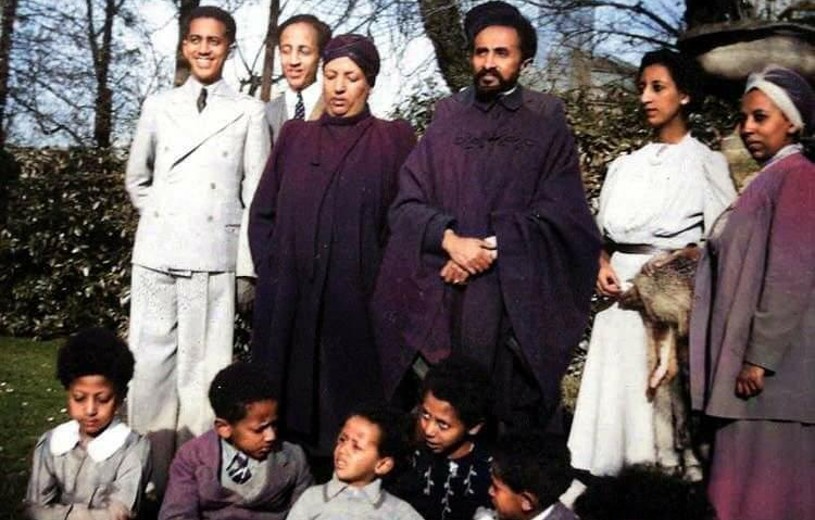
Image - Haile Selassie I with his family
William Beckford and the transatlantic slave trade
Built between 1826 and 1827 for William Beckford (1760-1844), Beckford’s Tower is a key landmark on a hill overlooking Bath, however Beckford’s ability to build the tower, and to collect art and furniture to store in it, was made possible by a fortune built on the profits of sugar plantations in Jamaica. An animated video in the museum explores the root of William Beckford’s wealth, including the Beckford family’s plantation ownership on Jamaica, telling the story of their involvement in the transatlantic slave trade.
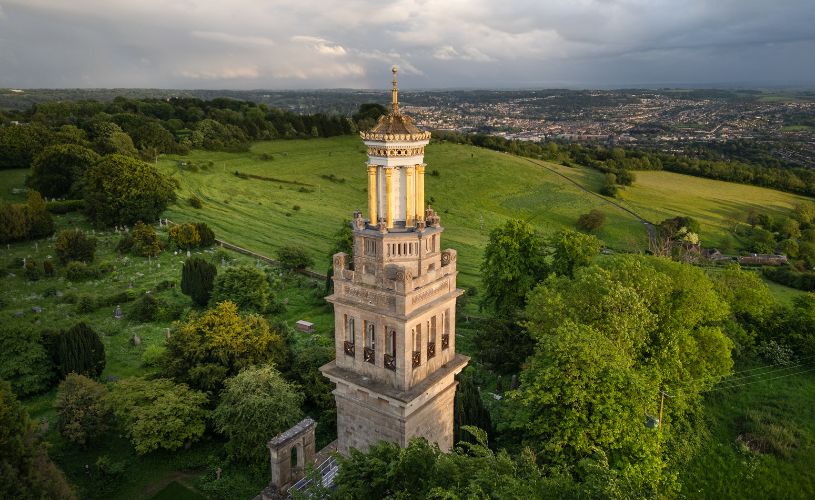
Image - Beckford's Tower
Read more:
Related
Comments
Comments are disabled for this post.


 Maps and Guides
 Travel Information
 Special Offers
 Enewsletter
 Book Tickets