
Search & Plan Your Trip



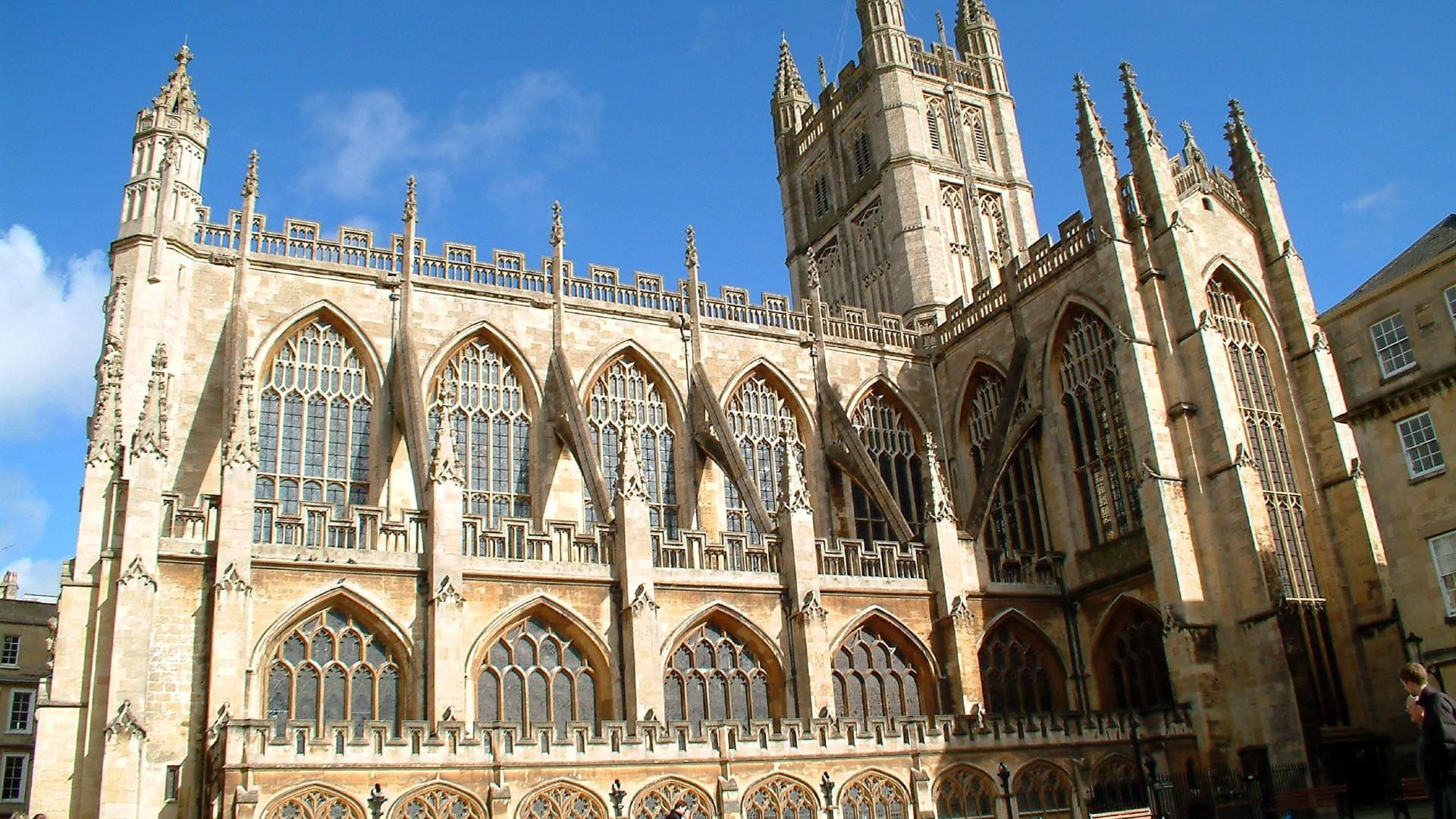 Bath Abbey
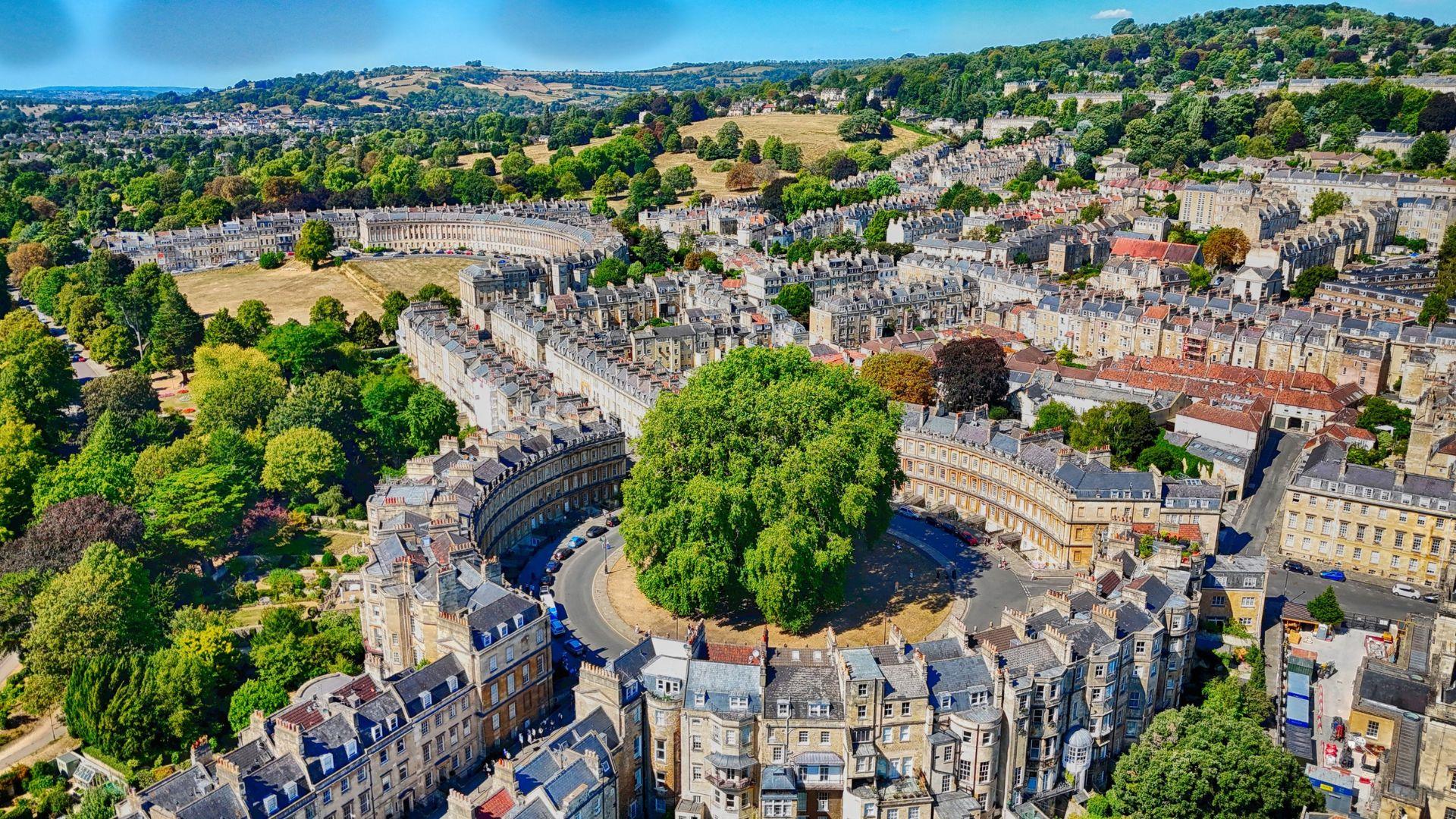 The Circus, credit David Cherriman
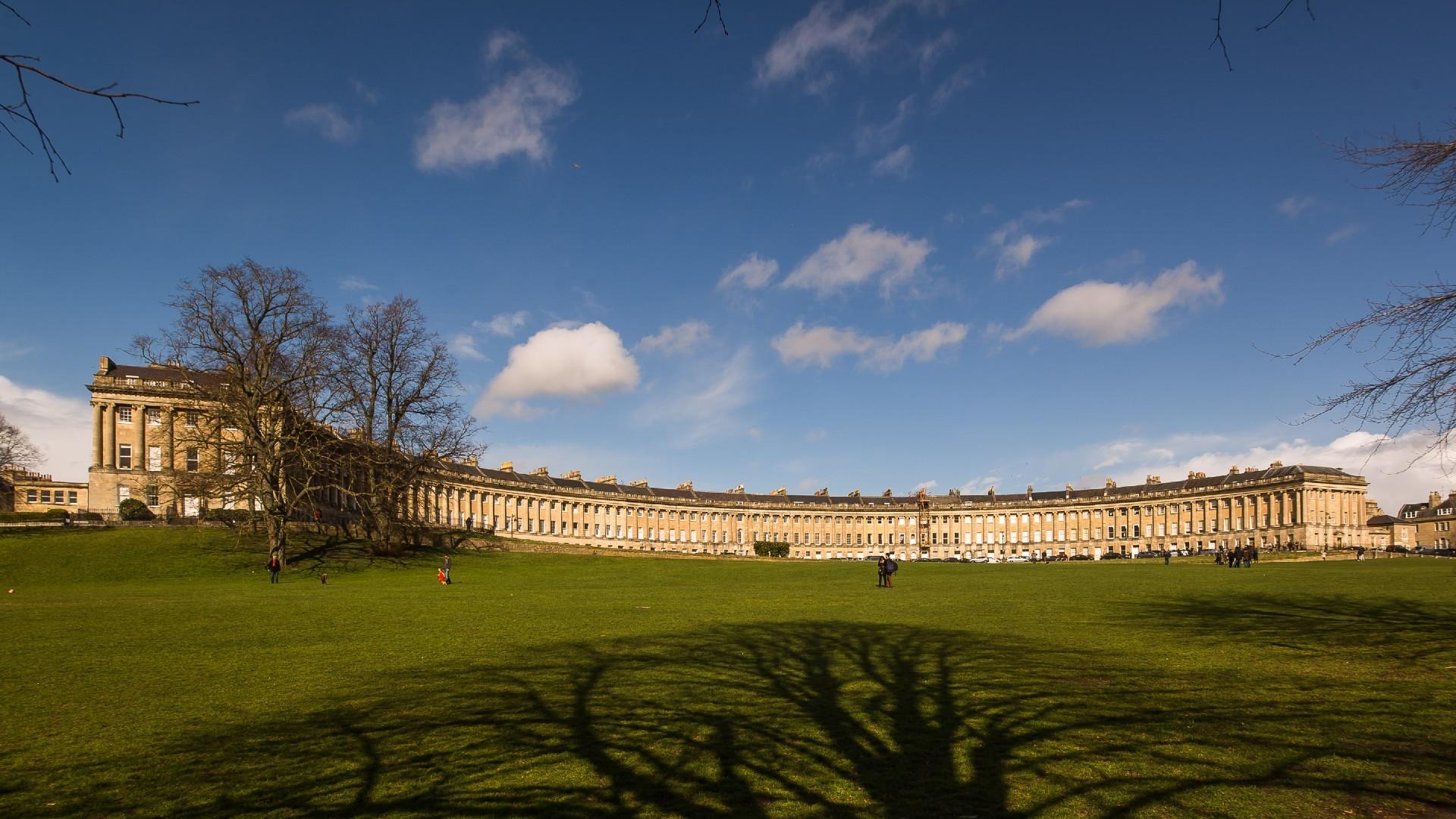 The Royal Crescent
 Sally Lunn’s Historic Eating House & Museum
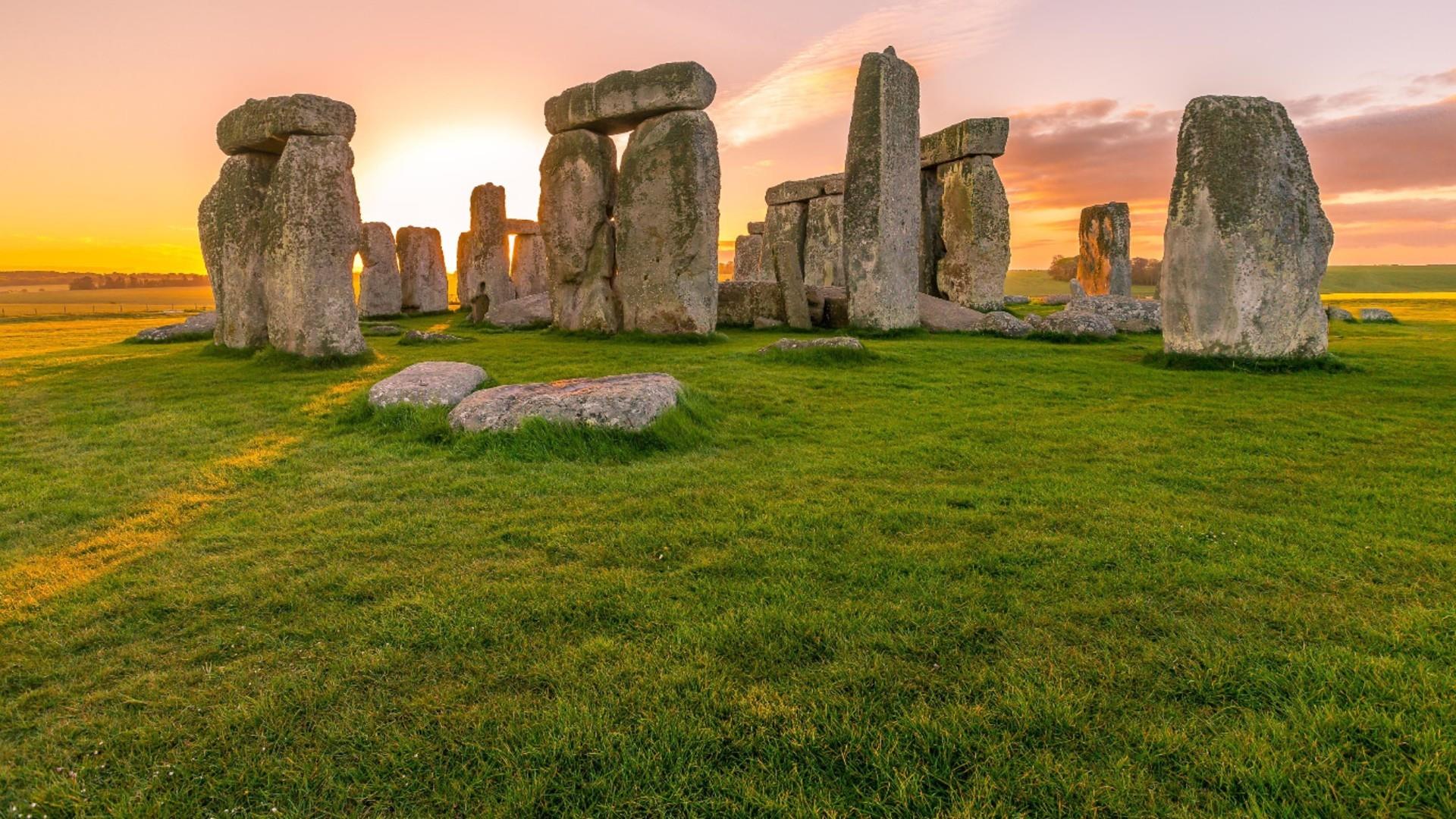 Stonehenge

Plan Your Visit
-
Stay
-
What's On
-
Things to Do
-
Food & Drink
-
Shopping
Stay
Things to Do
What's On
Food & Drink
Shopping
Explore Bath’s rich heritage
 Bath is the only city in the UK to be a designated World Heritage Site in its entirety. In 2021, Bath received an exceptional second UNESCO listing as part of the Great Spa Towns of Europe.
- The history of Bath in a timeline, from Roman hot springs and Georgian architecture to World Heritage status, with links to places and stories.

Discover Bath's historic sites
- Famed for its hot springs, Bath houses the best-preserved Roman sites from the ancient world. Delve into the history of this magical monument and admire its architecture and engineering.
- 1 Sep 202623 Jul 2027
- 20 Jul 202731 Aug 2027
- There's nowhere else quite like Bath Abbey. Magnificent stained-glass windows, columns of honey-gold stone and some of the finest fan vaulting in the world, create an extraordinary experience of light and space.
- 1 Jan 202631 Dec 2026
- On a quest to spot all of Bath's top landmarks? You'll want to add this one to your list...
- 1 Jan 202631 Dec 2026
Refine By
Number of results: 54
, currently showing 31 to 54.
Bath
A fully bespoke walking tour crafted around your interests, offering a personal and insightful journey through Bath’s highlights and hidden corners with an expert local guide.
Facilities
Establishment Features
- Dog Friendly
BATH
Resting place of over 3000 people who died in the Bath Union Workhouse between 1858 and 1899.
Address
The Cliffs, Cheddar, Somerset, BS27 3QFTelephone
+44 (0)1934 742343Cheddar
Visit the spectacular Cheddar Gorge and Caves, boasting awe-inspiring cliffs and extraordinary subterranean stalactite show caves, plus it holds many fascinating secrets about our prehistoric ancestors. What are you waiting for? Nature, wildlife,…
Facilities
Establishment Features
- Dog Friendly
- Dogs-Accepted
Facilities
PARKING
- Step-free route with firm surface from car park to entrance: There is a step-free route with a firm surface from the parking to the main entrance or an alternative step-free entrance.
RESTAURANT / DINING ROOM / BAR
- Dietary requirements catered for: A selection of food is offered for a range of dietary requirements.
- Wheelchair-accessible food and beverage outlet: There is at least one wheelchair-accessible food and beverage outlet on site.
GENERAL
- Emergency alarm with flashing lights: There is an emergency alarm with flashing lights, to alert deaf guests to a fire or other emergency scenario.
- Facilities for assistance dogs: Facilities are available for assistance dogs e.g. water bowls, toilet area, within the grounds of the venue or nearby.
- Wheelchair-accessible toilet in public areas: A designated accessible toilet designed for wheelchair users, and others with visible and non-visible accessibility requirements, is available within the main public areas.
Facilities
Key Features
- Families
Children & Infants
- Baby Changing Facilities
Specialist Features
- Family Fun
- Marketed towards families
Facilities
Parking & Transport
- Parking (charge) - Parking for the day is £6 (£4 from 3pm onwards)
- Parking (free) - Parking for disabled visitors is free.
- Parking On-site or Valet Parking
Tucked away at the bottom of a tranquil valley, just 15 minutes from Bath, a visit to the romantic, award-winning, Grade I listed Iford Manor Gardens transports you across the globe, with a range of garden designs.
Facilities
Establishment Features
- Dog Friendly
- Dogs-Accepted - on leads only
Facilities
Other
- Step-free access to all or most areas: There is step-free access to all or most areas. This may include access by ramp or lift. As a minimum, there is step-free access to an accessible toilet and at least one food and beverage outlet, where available.
- Step-free entrance: There is step-free access at the main entrance or an alternative entrance. This may be via a ramp or lift.
PARKING
- Designated accessible parking: Designated accessible parking is available within 50 metres of the main entrance or an alternative step-free entrance if applicable.
- Step-free route with firm surface from car park to entrance: There is a step-free route with a firm surface from the parking to the main entrance or an alternative step-free entrance.
RESTAURANT / DINING ROOM / BAR
- Dietary requirements catered for: A selection of food is offered for a range of dietary requirements.
- Quieter table: A table located in a quieter area is available, where noise is minimised.
- Table service as standard or on request: Table service is available as standard or on request.
- Wheelchair-accessible food and beverage outlet: There is at least one wheelchair-accessible food and beverage outlet on site.
GENERAL
- Disability awareness / equality training: Disability awareness / equality training is provided for staff.
- Emergency evacuation plan for disabled people: Personal or General Emergency Evacuation Plans are in place for disabled customers.
- Enclosed outdoor area: There is an enclosed outdoor area for customer use.
- Facilities for assistance dogs: Facilities are available for assistance dogs e.g. water bowls, toilet area, within the grounds of the venue or nearby.
- Map / floorplan showing accessibility facilities: A map or floorplan showing accessibility facilities is available.
- Seating at regular intervals: Seating is available at regular intervals.
- Wheelchair-accessible toilet in public areas: A designated accessible toilet designed for wheelchair users, and others with visible and non-visible accessibility requirements, is available within the main public areas.
- Wheelchair-accessible viewing area: A wheelchair-accessible viewing area with step-free access is available providing an optimal vantage-point to view performances, presentations or activities.
Facilities
Parking & Transport
- Car parking
- Parking (free)
Address
Abbey Churchyard, Bath, Somerset, BA1 1LTTelephone
+44 (0)7377 724519Bath
A fun and frightening stroll through the haunts of Bath, suitable for all of the family, it’s a night of entertainment, fear and interaction with the dead!
Address
Nr Amesbury, Near Amesbury, Wiltshire, SP4 7DETelephone
+44 (0) 370 333 1181Near Amesbury
One of the most iconic prehistoric monuments in Europe.
Address
The Assembly Rooms, Bennett Street, Bath, BA1 2QHTelephone
44 (0)1225 833977Bath
The magnificent Assembly Rooms were the centre of Bath's social scene during the eighteenth century.
Facilities
Other
- Step-free entrance: There is step-free access at the main entrance or an alternative entrance. This may be via a ramp or lift.
PARKING
- Designated accessible parking: Designated accessible parking is available within 50 metres of the main entrance or an alternative step-free entrance if applicable.
GENERAL
- Wheelchair-accessible toilet in public areas: A designated accessible toilet designed for wheelchair users, and others with visible and non-visible accessibility requirements, is available within the main public areas.
Bath
Visit an Emperor's Palace in Bath. A historical guided tour of the former residence of H.I.M Emperor Haile Selassie I of Ethiopia with an authentic Caribbean Lunch option on Sundays in Bath.
Facilities
Children & Infants
- Baby Changing Facilities
Facilities
Parking & Transport
- Parking (charge)
- Parking On Site
Address
Royal Crescent, Bath, BA1 2LSBath
One of Bath's most iconic architectural landmarks.
Address
12 Old Orchard Street, Bath, BA1 1JUTelephone
+44 (0)1225 462233Bath
The Old Theatre Royal is an anonymous building in a quiet cobbled backstreet in the city of Bath, with a unique 265 year history.
Facilities
Specialist Features
- Marketed towards families
Corsham
A stately home and art gallery with stunning gardens.
Facilities
Establishment Features
- Dogs-Accepted - In Garden
Facilities
Specialist Features
- Marketed towards families
Facilities
Parking & Transport
- Parking (free)
- Parking On Site
Address
From the Roman Empire to the present day, the history of Bath is full of under-documented contributions made by people of African and Caribbean descent to the city. Download this self-guided tour now!
Radstock
An award-winning museum that transports you back to the Victorian industrial age; a time when Somerset had 75 coal mines with the associated communities and supporting industries.
Facilities
Key Features
- Families
Children & Infants
- Accept children all ages
Specialist Features
- Family Fun
- Marketed towards children
- Marketed towards families
Facilities
Parking & Transport
- Parking (free)
Address
Theatre Royal Bath, Saw Close, Bath, BA1 1ETTelephone
+44 (0)1225 448844Bath
Bath's historic, beautifully renovated, traditional theatre.
Facilities
Other
- Lift: There are lift(s) available. An evacuation chair should also be available in case of emergency.
- Step-free access to all or most areas: There is step-free access to all or most areas. This may include access by ramp or lift. As a minimum, there is step-free access to an accessible toilet and at least one food and beverage outlet, where available.
- Step-free entrance: There is step-free access at the main entrance or an alternative entrance. This may be via a ramp or lift.
RESTAURANT / DINING ROOM / BAR
- Quieter table: A table located in a quieter area is available, where noise is minimised.
- Table service as standard or on request: Table service is available as standard or on request.
- Wheelchair-accessible food and beverage outlet: There is at least one wheelchair-accessible food and beverage outlet on site.
GENERAL
- Assistive listening system: There is an assistive listening system available e.g. a hearing loop.
- Disability awareness / equality training: Disability awareness / equality training is provided for staff.
- Emergency alarm with flashing lights: There is an emergency alarm with flashing lights, to alert deaf guests to a fire or other emergency scenario.
- Emergency evacuation plan for disabled people: Personal or General Emergency Evacuation Plans are in place for disabled customers.
- Facilities for assistance dogs: Facilities are available for assistance dogs e.g. water bowls, toilet area, within the grounds of the venue or nearby.
- Wheelchair-accessible toilet in public areas: A designated accessible toilet designed for wheelchair users, and others with visible and non-visible accessibility requirements, is available within the main public areas.
- Wheelchair-accessible viewing area: A wheelchair-accessible viewing area with step-free access is available providing an optimal vantage-point to view performances, presentations or activities.
Facilities
Children & Infants
- Facilities for children
Specialist Features
- Family Fun
- Marketed towards children
- Marketed towards families
Bath
An amusing 2-hour fully-guided tour through the sites of beautiful Bath with all the history and scandals included.
Bath
A recently refurbished nineteenth-century folly and museum collection, offering splendid views over the Bath cityscape.
Facilities
Parking & Transport
- Parking On Site
Address
Cathedral Green, Wells, BA5 2UETelephone
+44 (0)1749 674483Wells
Set in the medieval heart of England’s smallest city and an easy journey from Bath by car or public transport, Wells Cathedral was built between 1175 and 1490 and has been described as “the most poetic of the English Cathedrals."
Facilities
Establishment Features
- Dog Friendly
Facilities
Other
- Step-free access to all or most areas: There is step-free access to all or most areas. This may include access by ramp or lift. As a minimum, there is step-free access to an accessible toilet and at least one food and beverage outlet, where available.
- Step-free entrance: There is step-free access at the main entrance or an alternative entrance. This may be via a ramp or lift.
PARKING
- Step-free route with firm surface from car park to entrance: There is a step-free route with a firm surface from the parking to the main entrance or an alternative step-free entrance.
RESTAURANT / DINING ROOM / BAR
- Dietary requirements catered for: A selection of food is offered for a range of dietary requirements.
- Table service as standard or on request: Table service is available as standard or on request.
- Wheelchair-accessible food and beverage outlet: There is at least one wheelchair-accessible food and beverage outlet on site.
GENERAL
- Assistive listening system: There is an assistive listening system available e.g. a hearing loop.
- Disability awareness / equality training: Disability awareness / equality training is provided for staff.
- Emergency alarm with flashing lights: There is an emergency alarm with flashing lights, to alert deaf guests to a fire or other emergency scenario.
- Enclosed outdoor area: There is an enclosed outdoor area for customer use.
- Facilities for assistance dogs: Facilities are available for assistance dogs e.g. water bowls, toilet area, within the grounds of the venue or nearby.
Facilities
Key Features
- Families
Specialist Features
- Family Fun
Address
The Circus, BATH, Avon, BA1 2EWTelephone
01225 394041BATH, Avon
Meticulously recreated authentic Georgian garden, free to enter.
Address
Sydney Road, Bath, BA2 6NTTelephone
+44 (0) 1225394041Bath
One of the few remaining eighteenth-century pleasure gardens in the UK.
Facilities
Establishment Features
- Dog Friendly
Bath
An educational charity in the heart of Bath, were everyone is welcome to join discussions and lectures, or browse exhibitions.
Facilities
Other
- Step-free access to all or most areas: There is step-free access to all or most areas. This may include access by ramp or lift. As a minimum, there is step-free access to an accessible toilet and at least one food and beverage outlet, where available.
PARKING
- Designated accessible parking: Designated accessible parking is available within 50 metres of the main entrance or an alternative step-free entrance if applicable.
GENERAL
- Assistive listening system: There is an assistive listening system available e.g. a hearing loop.
- Disability awareness / equality training: Disability awareness / equality training is provided for staff.
- Wheelchair-accessible toilet in public areas: A designated accessible toilet designed for wheelchair users, and others with visible and non-visible accessibility requirements, is available within the main public areas.
Facilities
Parking & Transport
- Parking (charge) - Charlotte Street Pay and Display Car Park Nearby.
Address
Bath Aqua Glass, Workshops 2 & 3, Ashley Wood Farm, Bathford, Somerset, SN13 8BGTelephone
+44 (0)1225 428146Ashley Wood Farm, Bathford
Escape the city buzz and discover where true artistry ignites!
Facilities
Establishment Features
- Dog Friendly
Facilities
Children & Infants
- Accept children all ages
Address
54A Combe Rd, Combe Down, Bath, BA2 5HZTelephone
+44 (0) 1225 837439Bath
Follow the story of Bath Stone from its geological beginnings, its 18th-century heyday to the present day; from its microscopic beginnings to its continued use for buildings around the world.
Facilities
Establishment Features
- Dog Friendly
Facilities
Other
- Single-level: The venue is all on one level, with no steps or raised thresholds.
- Step-free access to all or most areas: There is step-free access to all or most areas. This may include access by ramp or lift. As a minimum, there is step-free access to an accessible toilet and at least one food and beverage outlet, where available.
- Step-free entrance: There is step-free access at the main entrance or an alternative entrance. This may be via a ramp or lift.
PARKING
- Step-free route with firm surface from car park to entrance: There is a step-free route with a firm surface from the parking to the main entrance or an alternative step-free entrance.
GENERAL
- Seating at regular intervals: Seating is available at regular intervals.
- Wheelchair-accessible toilet in public areas: A designated accessible toilet designed for wheelchair users, and others with visible and non-visible accessibility requirements, is available within the main public areas.









 Maps and Guides
 Travel Information
 Special Offers
 Enewsletter
 Book Tickets
© Visit West 2026. All Rights Reserved
